As you know I’m not a wine person but I am a coffee person. Coffee is my medicine. This is rather witty!
Uncategorized
All posts in the Uncategorized category

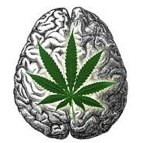
Pot Smoking and Developing Brains
Published March 6, 2017 by helentastic67Useful information who claim smoking pot is good for their ABI……….

Studies may lead to help for PTSD
as well as a greater understanding of addiction
and schizophrenia© Madelyn Griffith-Haynie, CTP, CMC, ACT, MCC, SCAC
Foundational Concept of the Intentionality Series
Opinions vs. FactsReefer Madness?
Weed, Ganja, MaryJane, Cannabis, Pot, Hemp, Herb, Reefer
Some of my Senior readers may not recognize each of them, but practically any teen can tell you that they are all names for marijuana.
You know, that stuff you can roll into a joint that – except in jest – only the most out-of-it refer to as “a funny cigarette.”
The technical term for marijuana is cannabis – for a very good reason. Since at least 1967, various chemical constituents of marijuana have been classified as cannabinoids.
They act on cannabinoid receptors in cells throughout our bodies, and alter neurotransmitter release in the brain – but they are NOT all the same.
One toke…
View original post 1,548 more words
Helen’s Jamima
Published February 21, 2017 by helentastic67For you my Friend xo. . * Copyright Faith McCord 2017 Story and artwork belongs to Faith McCord who is the author and artist holding the copyright. This is not a public domain work. Worldwide right…
Source: Helen’s Jamima
“Nobody explained my brain injury to me”
Published December 18, 2016 by helentastic67This is from another ABI/TBI blog I follow. Makes a good point every ABI/TBI is different!

 Just by total chance, a week or so ago, I found myself talking to someone who had a stroke in 2007. Unless they’d mentioned it, I never would have noticed. They’d had four months of recovery, then they got back into their life. And while we didn’t talk that long about it, I got the impression that they hadn’t gotten any help with really understanding their situation after their stroke.
When they ran into their neurologist at the hospital, a few months later, they got a tip about how certain things they were doing were just not very helpful at all. Things like beating themselves up, because they weren’t doing a good job at something… things like getting angry and upset about stuff going wrong in ways that were directly related to their stroke… The neurologist gave them some insight into what was happening with them, and a better way…
View original post 844 more words
How Stress Affects Your Brain
Published September 11, 2016 by helentastic67Feeling stressed?
From Ken Collins: Adapt, Improvise, Overcome and Move On!
Published September 9, 2016 by helentastic67Basics are often the best!
 It can feel like you’re slogging through a desert, sometimes. But there’s an oasis in the distance… for sure.
Ken Collins shares his wisdom with us. Great stuff!
Some of the lessons I have learned after 39 years of living with a brain injury.
There are four major areas to work on during the brain injury recovery process:
Adapt, Improvise, Overcome and Move On!
Move on and try not to be critical of mistakes you make because in the early years of your recovery there will be too many to count.
Learn from these experiences and move on.
Keep stress and anxiety to a minimum everyday!
Stress and anxiety triggers the fight or flight response in the mid-brain. You don’t have any control of this response because it is part of the Emotional Nervous System.
When the fight or flight response is activated it will increase confusion and make it…
View original post 1,341 more words
You don’t HAVE to lose it as you age
Published August 24, 2016 by helentastic67I confess I am just hearing drink more coffee and eat more chocolate! However, never stop learning!
Moving Past Mind-Blips and “Senior Moments”
Maintaining & improving your brain’s vitality as you age
by Madelyn Griffith-Haynie,CTP, CMC, A.C.T, MCC, SCAC
ReflectionsonCognitive Impairment and Dementia Protection“A mind equipped with a wide range of
previously formed pattern recognition devices
can withstand the effects of neuroerosion
for a long time.”~ Dr. Elkhonon Goldberg, PhD, from
The Wisdom ParadoxAlong with suggestions designed to help, this article begins to debunk the myth of “to be expected” age-related cognitive decline — as it explains the mechanics of memory and outlines the functional trajectory of the healthy brain as time marches on.
In the Memory Issues Series, anyone currently struggling to fit into a neurotypical mold, even if you are GenX or younger, will find a lot of information that will help you develop effective you-specific strategies to work around some of the…
View original post 2,972 more words
If #cats did Mondays
Published July 11, 2016 by helentastic67Ironically, Monday’s are rough at my house. Struggle to snap the sleeping pattern back to cope with leaving the house for appointments. Disaster!


Cats with Jobs
Published July 11, 2016 by helentastic67I’m wanting to get funding for Jamima from the NDIS. I might not be able to as I’ve had her longer than I’ve had my disability. And not as long as I’ve had my AVM. So, the prosecution rests!
Coon #cats Sunday Wisdom
Published June 12, 2016 by helentastic67Nailed it!

 Hell onWheels/Life One Handed